
classic timber

Author name: admin

Wood Veneers
Uncategorized

Veneers vs. Laminates: Which Is the Better Choice for Your Interiors?

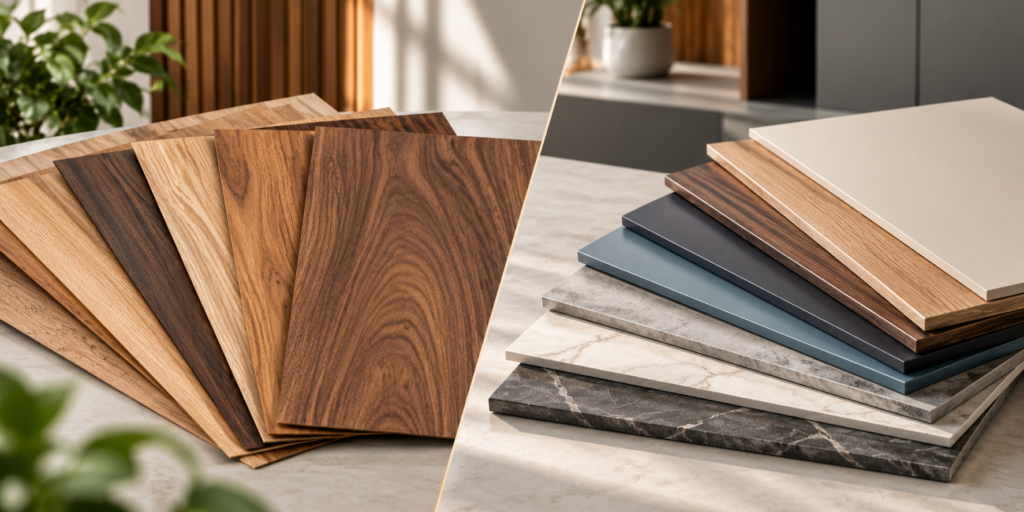
Veneers vs. Laminates: Which Is the Better Choice for Your Interiors? Category: Veneers & Wood FinishesEstimated reading time: 6–8 minutes Introduction When designing a home or commercial interior, choosing the right surface finish is just as important as selecting the furniture itself. The finish influences the appearance, maintenance requirements, and overall character of wardrobes, kitchen cabinets, wall panels, and other furniture. Two popular options are natural wood veneers and decorative laminates. Both can create beautiful interiors, but they differ in material composition, appearance, maintenance, and cost. So, which one should you choose for your next project? In this guide, we compare veneers and laminates to help you make an informed decision based on your design preferences, practical needs, and budget. 1. What Are Wood Veneers? Wood veneers are thin sheets of natural wood applied to a suitable substrate to create the appearance of solid timber without constructing the entire furniture component from solid wood. Because veneers are made from real wood, they display natural grain patterns, colour variations, and distinctive markings. These variations give each finished surface its own character. Key characteristics of wood veneers Where are veneers commonly used? Wood veneers are often selected for premium furniture, decorative wall panels, bedroom furniture, cabinetry, executive desks, and feature surfaces where natural wood aesthetics are desired. Best for: Interiors that prioritise authentic wood character and a sophisticated, natural appearance. 2. What Are Decorative Laminates? Decorative laminates are manufactured surface materials designed to provide a finished appearance across furniture and interior applications. They are available in a wide variety of designs, including natural wood patterns, solid colours, stone-inspired designs, and textured finishes. This variety makes laminates suitable for projects ranging from minimalist apartments to contemporary offices and commercial interiors. Key characteristics of decorative laminates Where are laminates commonly used? Decorative laminates are frequently used for kitchen cabinets, wardrobes, desks, storage units, retail furniture, office workstations, and other interior surfaces. Best for: Projects that require design flexibility, consistent patterns, and practical surface options. 3. Veneers vs. Laminates: Key Differences Although both materials can enhance furniture, they serve different aesthetic and practical preferences. Feature Wood Veneers Decorative Laminates Material Thin sheets of natural wood Manufactured decorative surface material Appearance Natural grain with individual variations Consistent patterns and a wide design range Design options Depends on available wood species and cuts Extensive colours, patterns, and textures Maintenance Depends on the protective finish Depends on the laminate surface and manufacturer guidance Repairs May require specialist refinishing Repair options depend on the type and extent of damage Cost Varies with wood species and finishing Varies with design, quality, and product specifications Common uses Premium furniture and feature panels Cabinets, wardrobes, desks, and general furniture Important: Neither material is automatically more durable in every situation. Performance depends on product quality, substrate, installation, environmental conditions, and intended use. 4. Which Material Is Better for Kitchen Cabinets? Kitchen cabinets need to balance appearance with everyday practicality. Cooking environments can expose furniture to splashes, grease, heat, frequent handling, and regular cleaning. Therefore, the surface material should be selected according to its specified performance and the cabinet’s location. Choose laminates when: Consider veneers when: For both options, suitable substrate selection, edge protection, installation, and ventilation are important. Do not assume that a decorative surface alone makes a cabinet waterproof or heatproof. 5. Which Is Better for Wardrobes and Bedroom Furniture? Bedrooms provide more flexibility when choosing surface finishes because the furniture is generally less exposed to water than kitchen cabinetry. Veneers can create a natural, elegant appearance for wardrobe shutters, bedside tables, headboards, and feature panels. Their distinctive wood grain can complement neutral walls, soft furnishings, and natural materials. Laminates provide a broader range of design choices, including light oak, walnut-inspired patterns, solid neutrals, and contemporary textures. For a coordinated bedroom, consider using one main finish for larger furniture surfaces and a complementary colour or texture for accents. Design tip: Request physical samples and compare them with your flooring, wall paint, and existing furniture before making a final decision. 6. Which Material Requires Less Maintenance? Maintenance is an important consideration for busy households and commercial spaces. Maintaining wood veneers The care routine depends on the veneer, protective coating, and manufacturer’s recommendations. Avoid harsh chemicals, prolonged moisture exposure, and abrasive cleaning methods unless the product specifically permits them. Regular dusting and prompt cleaning of spills can help maintain the appearance of finished veneer surfaces. Maintaining decorative laminates Many laminate surfaces can be maintained with a soft cloth and a suitable mild cleaning solution. However, abrasive products, inappropriate solvents, excessive heat, and water entering exposed edges can cause damage. Always follow the manufacturer’s cleaning instructions for your particular product. The takeaway: Choose the material based on both the look you want and the maintenance routine you can realistically follow. 7. How Do Cost and Long-Term Value Compare? The cost of veneers and laminates depends on several factors, including material quality, design, substrate, installation, and finishing. Natural wood veneers can involve additional finishing work, and prices may vary significantly according to the wood species and veneer quality. Decorative laminates are available across different price ranges, making it possible to select options for varied project budgets. When comparing quotations, consider more than the price per sheet. Include substrate quality, cutting, edge finishing, adhesives, hardware, installation, and maintenance requirements. A well-planned specification can help you manage costs while achieving the appearance and functionality you want. 8. Can Veneers and Laminates Be Used Together? Yes. Combining veneers and laminates can create a visually interesting interior when the colours, textures, and proportions are carefully planned. For example, a living room may feature natural wood veneer on a prominent display panel and a complementary laminate on storage cabinets. A bedroom may combine a veneer headboard with laminate wardrobes, while an office may use a wood-look feature panel alongside solid-colour workstation surfaces. To achieve a cohesive design: Combining materials allows you to balance natural character with broader design flexibility. 9. Common Mistakes to Avoid Before choosing a surface material, avoid […]
Modern Laminate
Uncategorized

How to Choose the Perfect Decorative Laminates for Your Home

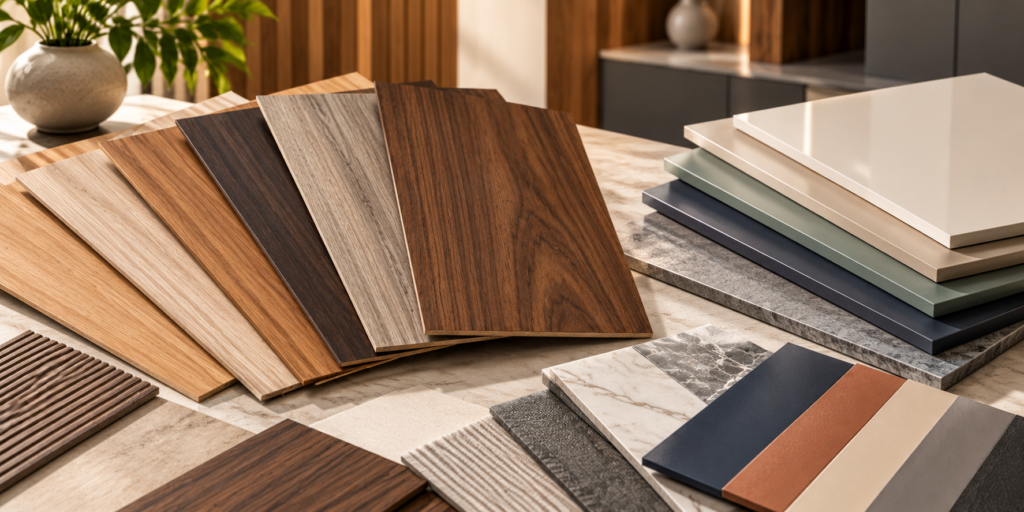
How to Choose the Perfect Decorative Laminates for Your Home Category: Decorative Laminates & Interior DesignEstimated Reading Time: 6–8 minutes Introduction The right surface finish can transform an ordinary piece of furniture into a beautiful design feature. From elegant wardrobes and contemporary kitchen cabinets to statement walls and stylish office furniture, decorative laminates offer an effective way to bring colour, texture, and character into interior spaces. With a wide variety of patterns, finishes, and colours available, choosing the right laminate can feel overwhelming. Should you select a natural wood grain, a sophisticated matte surface, or a bold solid colour? How do you balance aesthetics with durability and maintenance? In this guide, we explore the key factors to consider when selecting decorative laminates for your home or commercial interior. 1. Understand What Decorative Laminates Are Decorative laminates are manufactured surface materials used to enhance the appearance of furniture, cabinetry, wall panels, and other interior elements. They are available in numerous colours, patterns, textures, and finishes to complement different design styles. When applied to a suitable substrate using the recommended installation method, laminates can provide an attractive, practical surface for everyday interiors. Common applications include: The right laminate depends on the application, expected usage, substrate, and manufacturer’s specifications. 2. Explore Different Laminate Designs Your laminate choice influences the overall mood and appearance of a room. Understanding the available designs can help you create a more coordinated interior. Wood-Grain Laminates Wood-grain laminates bring the visual warmth and character of timber into furniture and cabinetry. They are available in shades ranging from light oak and natural maple to walnut and deeper wood tones. They work well with contemporary, minimalist, traditional, and nature-inspired interiors. Best suited for: Wardrobes, kitchen cabinets, furniture, storage units, and feature panels. Solid-Colour Laminates Solid-colour laminates provide a clean, consistent appearance. Neutral shades such as white, beige, grey, and taupe create a timeless look, while darker colours can introduce contrast and depth. Best suited for: Modern kitchens, office furniture, wardrobes, and minimalist interiors. Textured Laminates Textured laminates introduce surface detail that can add visual interest to furniture and interior elements. Depending on the product, textures may resemble natural wood grain, stone, fabric, or other materials. Best suited for: Feature cabinets, furniture fronts, reception desks, and selected wall applications. High-Gloss and Matte Laminates High-gloss laminates have a reflective appearance that can create a sleek, contemporary look. Matte laminates offer a more understated surface with reduced reflection. The appropriate choice depends on your design preferences, lighting conditions, cleaning requirements, and the product’s surface characteristics. 3. Select Laminates According to the Room Different spaces have different functional and aesthetic requirements. Choosing laminates according to their intended application helps create interiors that are both attractive and practical. Kitchen Kitchen surfaces may experience frequent handling, food splashes, grease, and regular cleaning. Consider laminates designed for the intended application and follow the manufacturer’s care recommendations. Neutral shades, wood-grain patterns, and contrasting cabinet finishes can help create a balanced kitchen design. Bedroom and Wardrobes Bedrooms offer flexibility in colour and texture selection. Light wood grains and soft neutrals can create a calm appearance, while darker finishes can provide a bold, contemporary look. For wardrobes, consider how the laminate coordinates with the flooring, bed, wall colours, and other furniture. Living Room The living room is an opportunity to introduce decorative details through entertainment units, storage cabinets, shelving, and feature panels. Combine complementary finishes rather than introducing too many competing patterns. A wood-grain finish paired with a solid neutral colour can create a visually balanced result. Office and Commercial Spaces Commercial interiors often require finishes that complement the brand identity and suit frequent use. Consider the expected level of wear, cleaning frequency, lighting, and the overall design language when selecting laminates for desks, workstations, reception areas, and storage units. 4. Choose the Right Laminate Finish The finish affects how a laminate looks under different lighting conditions and how it fits into your daily routine. Matte finish: Suitable for understated, contemporary interiors where a soft, low-reflection appearance is preferred. Gloss finish: Creates a reflective, polished appearance that can work well in modern furniture and selected decorative applications. Textured finish: Adds tactile and visual detail, making it useful for furniture that needs more character. Natural wood-look finish: Offers the appearance of timber grain without using a natural wood veneer as the visible surface. Before finalising your selection, request physical samples and examine them in the actual room. Natural and artificial lighting can affect how colours and textures appear. 5. Consider Durability and Maintenance A beautiful laminate should also suit the way the space will be used. Product performance varies according to the laminate type, construction, installation, and intended application. Before buying, consider: Avoid assuming that every laminate has the same resistance to scratches, heat, stains, or moisture. Always check the specifications for the product you intend to use. 6. Coordinate Laminates with Other Materials The most successful interiors usually bring together materials that complement one another. When selecting laminates, consider how they work with: For example, a natural oak-look laminate can pair well with neutral walls and understated hardware. A deep walnut finish may complement lighter stone surfaces and subtle metallic details. You do not need to match every material exactly. Coordinating colours, textures, and visual contrast often creates a more interesting result. 7. Understand the Difference Between Laminates and Veneers Decorative laminates and wood veneers are both used to finish furniture, but they offer different characteristics. Decorative laminates are manufactured surface materials available in a broad range of colours, patterns, and textures. Natural wood veneers are thin layers of real wood that showcase natural grain patterns and variations. Laminates are often selected for their design variety and practical surface characteristics, while veneers are valued for their natural wood appearance. Neither option is automatically better for every project. The right choice depends on the desired aesthetic, maintenance expectations, budget, and application. 8. Avoid These Common Laminate Selection Mistakes A few simple checks can help you make a more confident decision. 9. […]

Uncategorized

How to Choose the Right Plywood for Your Home Interiors

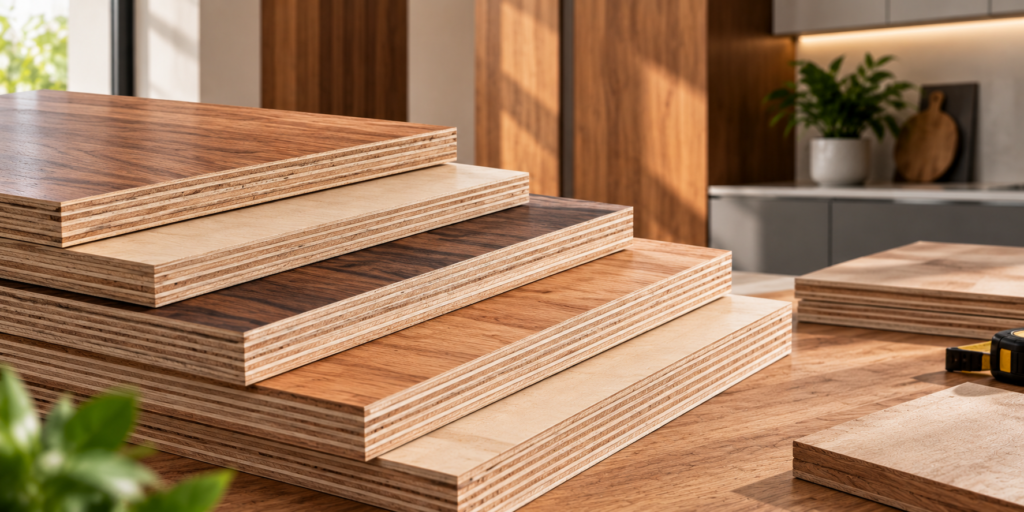
How to Choose the Right Plywood for Your Home Interiors Category: Plywood & Material GuidesEstimated reading time: 6–8 minutes Introduction Choosing the right plywood is one of the most important decisions when planning your home interiors. From modular kitchens and wardrobes to beds, cabinets, and office furniture, plywood provides the foundation for furniture that needs to look good and perform reliably over time. However, not all plywood is the same. Different grades, thicknesses, bonding properties, and surface finishes make certain types more suitable for specific applications. In this guide, we explain the key factors to consider when choosing plywood so you can make an informed decision for your next interior project. 1. Understand the Different Types of Plywood Before selecting plywood, it is important to understand the main categories and their intended uses. Commercial Plywood Commercial plywood is commonly considered for general furniture and interior applications in areas with relatively low moisture exposure. Its suitability depends on its grade, bonding quality, and intended use. Common applications: Moisture-Resistant (MR) Plywood MR plywood is designed for interior applications where occasional exposure to humidity or moisture may occur. It should not automatically be treated as waterproof or suitable for continuous water exposure. Common applications: Boiling Water-Resistant (BWR) Plywood BWR plywood is designed for applications requiring greater resistance to water exposure than standard moisture-resistant grades. Always verify the product specification before selecting it for a particular environment. Common applications: Marine-Grade Plywood Marine-grade plywood is manufactured to meet more demanding bonding and durability requirements, depending on the applicable standard. It may be considered for applications involving higher moisture exposure when the product is correctly specified. Common applications: Tip: Always check the product specification and applicable certification rather than relying on a product name alone. 2. Choose the Right Plywood Thickness Plywood thickness affects the strength, stability, weight, and suitability of a furniture component. The ideal thickness depends on the design, dimensions, expected load, support structure, and hardware. Common thickness options include 6 mm, 9 mm, 12 mm, 16 mm, and 18 mm, although availability varies by product. Thickness Potential applications 6 mm Back panels and selected lightweight components 9 mm Some cabinet backs and light-duty components 12 mm Selected partitions, panels, and furniture components 16 mm Furniture and cabinetry, depending on design 18 mm Many cabinet carcasses, shelves, and furniture components These are general examples, not universal specifications. A qualified carpenter, designer, or manufacturer should confirm the appropriate thickness for your project. 3. Consider Moisture and Environmental Conditions Different rooms expose furniture to different levels of humidity, splashes, heat, and ventilation. For example, a bedroom wardrobe usually faces different conditions from a kitchen cabinet installed near a sink. Selecting the correct plywood grade for the environment can help improve the durability of the finished furniture. Before purchasing, consider: Remember that even moisture-resistant plywood can be damaged by prolonged water exposure if the product and installation are not suitable. 4. Select a Finish That Matches Your Interior Design Plywood provides the underlying board, while the surface finish helps determine the final appearance of your furniture. Decorative Laminates Laminates are available in a wide range of colours, patterns, textures, and wood-grain designs. They are a popular choice for wardrobes, cabinets, kitchen shutters, and furniture surfaces. Natural Wood Veneers Veneers provide the appearance of natural wood grain and can create a refined, premium look. Their maintenance and protective coating requirements depend on the selected veneer and finish. Painted and Other Finishes Depending on the project, plywood may also be finished with paint or other compatible surface treatments. The substrate preparation and finishing process should match the intended application. Design tip: Consider the room’s lighting, flooring, wall colours, and furniture style when choosing a finish. Request physical samples whenever possible, because colours and textures can appear different on screens. 5. Check the Core Quality and Construction The internal construction of plywood is just as important as its visible surface. A good-quality board should meet the specifications appropriate for its intended application. When evaluating plywood, consider: These checks help you compare products based on suitability rather than appearance or price alone. 6. Don’t Overlook Hardware and Installation Even suitable plywood can deliver disappointing results if it is installed incorrectly or paired with unsuitable hardware. Hinges, drawer channels, handles, fasteners, edge treatments, and installation methods all contribute to the performance of finished furniture. For better results: A well-planned combination of board, finish, hardware, and workmanship can help produce furniture that remains functional and attractive. 7. Balance Quality and Budget Price is an important consideration, but choosing plywood based on price alone may not be the best long-term decision. Compare products by considering their intended application, grade, thickness, bonding properties, surface finish, documentation, and availability. For example, a decorative panel used in a bedroom may have different requirements from a board used in a demanding kitchen environment. Specifying the right product for each application helps avoid unnecessary costs while meeting project requirements. Ask your supplier for product specifications and compare equivalent grades before making a decision. 8. Common Mistakes to Avoid When Buying Plywood Avoid these common mistakes during material selection: 9. A Quick Checklist Before You Buy Before finalising your plywood selection, make sure you have considered: Reviewing these factors with your designer, carpenter, or supplier can make the selection process easier. Conclusion Choosing the right plywood involves more than selecting a board that looks good. The right decision considers the application, grade, thickness, environmental conditions, surface finish, construction quality, and installation requirements. By understanding these factors, homeowners and professionals can make more informed material choices for kitchens, wardrobes, furniture, and other interior spaces. At Tiber Classic, we believe that better material decisions are the foundation of better interiors. Explore suitable plywood and laminate options for your next project, and consult your supplier for product specifications that match your requirements. Frequently Asked Questions Which plywood is suitable for kitchen cabinets? The suitable grade depends on the cabinet’s location, moisture exposure, construction, and product specifications. Discuss the conditions with your supplier […]

Scroll to Top